Abhangwari By Mahesh Kale Chennai 2026: Complete Guide
📋 On this page +
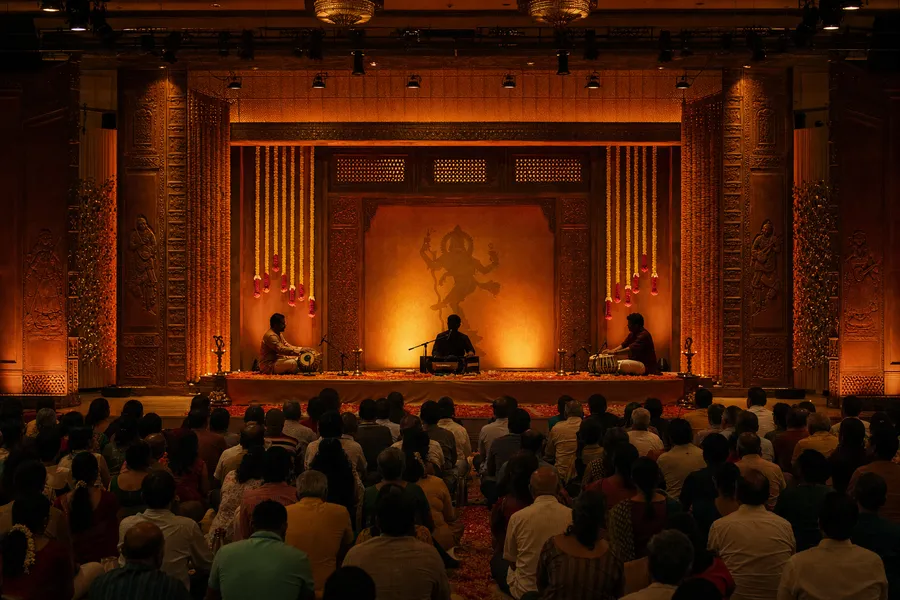
Abhangwari by Mahesh Kale comes to Narada Gana Sabha Auditorium in Chennai on Sunday, 19 July 2026, at 5:00 PM. The ticketing page lists a running time of two hours and 30 minutes, Hindi and Marathi as the performance languages, and prices starting at Rs 599 when this guide was checked.
That is the short answer. The more useful answer is that this is not simply another light-music concert with a devotional label. Mahesh Kale works across Hindustani classical music, semi-classical forms, natya sangeet and bhakti repertoire. Abhangwari is built around the energy and poetry of the abhang tradition, but its appeal is not limited to people who already understand Marathi or know the structure of a raga.
If you are deciding whether to buy a ticket, this guide covers the practical details first: what the event is, who will enjoy it, how the language affects the experience, when to arrive, how to reach the hall, what to wear, and how to choose a ticket without overthinking it.
Abhangwari Chennai Event Details At A Glance
| Detail | Information |
|---|---|
| Event | Abhangwari by Mahesh Kale |
| Date | Sunday, 19 July 2026 |
| Time | 5:00 PM |
| Duration | Approximately 2 hours 30 minutes |
| Venue | Narada Gana Sabha Auditorium, TTK Road, Alwarpet |
| Languages | Hindi and Marathi |
| Genre | Classical, devotional and semi-classical music |
| Tickets | From Rs 599 when checked |
| Booking | Official event ticket page |
Mahesh Kale’s own upcoming-events calendar independently confirms the Chennai date, time and Narada Gana Sabha venue. Ticket tiers can sell out or change price, so treat the amount above as a checked snapshot, not a permanent promise.
What Is Abhangwari By Mahesh Kale?
Abhangwari is a concert experience centred on abhangs, the devotional poetic songs closely associated with Maharashtra’s Varkari tradition. The word carries ideas of an unbroken expression of devotion, while the larger cultural setting is connected to sung poetry, pilgrimage, collective memory and an unusually direct relationship between performer and listener.
For a Chennai audience, the closest useful comparison is not that an abhang is “the Marathi version” of any single Carnatic form. That would flatten important differences. A better way to approach the evening is to expect poetry-led devotional music shaped by Hindustani phrasing, improvisation, rhythmic lift and audience recognition. Some passages may feel meditative. Others can gather speed and communal energy.
The concert listing classifies the show under classical, devotional and semi-classical music. That combination matters. A strict classical recital often assumes that the listener is ready for long-form development. A purely popular devotional show may focus on instantly familiar songs. Abhangwari can move between those expectations, giving an experienced listener musical detail while giving a first-time listener a clear emotional path.
You do not need to arrive with a reading list. It helps only to know that the words are not decoration placed over the music. The poetry is central, and the performance’s emotional movement often comes from how a line is repeated, opened up and shared with the hall.
Who Is Mahesh Kale?
Mahesh Kale is a Hindustani classical vocalist whose work also spans semi-classical music, devotional repertoire, natya sangeet and film music. His official biography describes a musical life connecting Pune and the San Francisco Bay Area, along with concert, teaching and cross-cultural work.
Many listeners outside the classical circuit know him through the Marathi film Katyar Kaljat Ghusali. His playback work received the National Film Award for Best Male Playback Singer, recorded in the Government of India’s National Film Awards announcement. That recognition is useful context, but it should not turn the Chennai event into a one-song expectation. A concert artist’s live program is broader than a film credit.
Kale’s strength for a mixed audience is his ability to keep musical seriousness without presenting the stage as a closed classroom. Listeners familiar with Hindustani music can follow the melodic and rhythmic work. New listeners can enter through the poetry, the devotional charge and the visible relationship between vocalist and accompanying musicians.
Do You Need To Understand Marathi?
No. Understanding Marathi will add direct access to the poetry, but it is not a requirement for enjoying the concert.
Musical meaning does not disappear when every word is unfamiliar. Tone, repetition, tempo, the shape of an improvised phrase and the response of the ensemble all communicate. Devotional music also depends on intention and collective attention, not only literal translation.
Still, language affects the experience. If you understand neither Marathi nor Hindi, do three small things:
- Read a short introduction to abhangs before leaving home.
- Listen for recurring lines instead of trying to decode each word.
- Allow the performance to build rather than judging it from the opening ten minutes.
If the artist explains a poem in Hindi or English, listen carefully because that context can unlock the next section. If there is no explanation, do not treat that as a barrier. The concert is a performance, not a language examination.
Parents bringing older children can use the same approach. Explain that some songs may begin slowly and grow through repetition. A child who expects a three-minute film song needs that expectation reset before the lights go down.
Is This A Good First Classical Concert?
Yes, with one condition: choose it because you are curious about the music, not because you expect a film-songs-only evening.
The 150-minute duration is long enough to show the form’s range without requiring an entire day. Narada Gana Sabha is a seated auditorium, which is easier for a first classical experience than a crowded standing venue. The devotional and semi-classical elements can also provide more immediate points of connection than an austere recital might.
This is especially suitable for:
- Carnatic listeners curious about a Hindustani and Marathi devotional program
- Marathi families living in Chennai
- Listeners who discovered Mahesh Kale through cinema or online performances
- Students of music who want to observe phrasing, accompaniment and audience communication
- People who enjoy bhakti poetry even when the language is not their own
It may be a weaker fit for someone looking for a dance concert, a loud arena production, a casual drop-in event, or a guaranteed list of film hits. A quiet auditorium also demands more attention from young children than an outdoor festival does.
How Should You Choose A Ticket?
Choose the best comfortably affordable seat with a clear central view. You do not need the costliest ticket to hear a hall concert well.
For vocal music, sound balance matters more than facial proximity. A central seat in a middle section can be more satisfying than an extreme side seat several rows closer. Side angles may still offer good listening, but they can reduce the view of accompanying musicians or stage communication.
Before paying, check four things on the live seat map:
- Whether the ticket is reserved seating or a general category
- How far the seat is from the centre line
- Whether the platform marks any restricted view
- The final amount after taxes and booking charges
The BookMyShow event page showed tickets from Rs 599 during research. Prices, sections and availability can change as the date approaches. A screenshot of an old price is not a ticket guarantee.
If attending as a family, buy seats together in one transaction. Do not assume staff can rearrange a full row after you arrive. Save the QR code offline and keep the booking confirmation accessible on more than one phone if the group is large.
When Should You Arrive?
Aim to reach the venue by 4:15 PM, about 45 minutes before the listed 5:00 PM start.
That buffer gives you time for TTK Road traffic, security, ticket scanning, restroom use and finding the correct row. It also protects you from the most common concert mistake in central Chennai: calculating only the map’s driving time and ignoring the last few hundred metres.
Auditorium doors and late-entry rules can vary. Classical performances do not always pause at a convenient moment for latecomers. If staff hold you outside until a musical break, that is normal audience management rather than poor service.
A simple Sunday timeline works well:
- 3:45 PM: Leave if travelling from another part of the city
- 4:15 PM: Reach the Narada Gana Sabha area
- 4:20 PM: Complete entry and use venue facilities
- 4:35 PM: Take your seat and silence devices
- 5:00 PM: Listed show time
- Around 7:30 PM: Expected finish based on the listed duration
Do not schedule a tight dinner reservation at 7:40 PM. Live concerts can begin a little late, include introductions or run beyond the advertised duration.
How Do You Reach Narada Gana Sabha?
Narada Gana Sabha Auditorium is on TTK Road in Alwarpet, a busy central-Chennai corridor. The Sabha’s premises are commonly listed in arts-organization directories at TTK Road, Alwarpet, Chennai 600018.
By Metro
Teynampet on the Blue Line is the practical Metro reference point. Chennai Metro provides Teynampet station information, and the final leg to the auditorium is best handled by an auto-rickshaw or cab if you do not want a longer walk in humid weather.
Do not assume “near the Metro” means a two-minute walk. Leave time for exiting the station, getting a vehicle and moving through local traffic.
By Bus
TTK Road and the surrounding Alwarpet, Royapettah and Mylapore network have frequent bus movement, but the most convenient stop depends on the route and service changes. Use the MTC or a live transit app on the event day. Search for Narada Gana Sabha or TTK Road rather than relying on a memorized stop name.
If you are new to the city’s buses, read our Chennai bus routes guide before planning the trip. Carry a small amount of cash even if you normally use digital payments.
By Car Or Cab
A cab is simple for drop-off but can become slow near show time. Set the destination to Narada Gana Sabha Auditorium and confirm TTK Road with the driver. For pickup, walk a short distance away from the immediate gate only if the area is well lit and you are comfortable doing so. This can reduce the standstill created when many cars request the same pin.
Parking availability may change with concurrent hall bookings and venue operations. Do not build the evening around guaranteed on-site parking unless the ticket issuer or venue confirms it. If you drive, arrive early and follow staff instructions rather than stopping at the gate to negotiate.
What Should You Wear And Bring?
Wear something comfortable for a cool auditorium and a humid journey. Traditional clothing is welcome but not compulsory. A simple kurta, sari, salwar, shirt, dress or smart casual outfit will all fit the setting.
Bring:
- Your ticket QR code and a charged phone
- A light layer if you are sensitive to air conditioning
- Essential medication
- A small water bottle only if the venue permits it
- A compact umbrella if rain is forecast
Avoid oversized bags. They slow security checks and are awkward in fixed auditorium seating. Food, professional cameras and recording equipment may be restricted. Follow the ticket terms and any instructions at the entrance.
Most importantly, silence the phone completely. Vibration on a wooden or metal seat can be clearly audible during a quiet alap. Keep the screen dark. A glowing phone several rows ahead is more distracting than its owner usually realizes.
What Is The Audience Etiquette?
The basic rule is to let the music hold the room.
Applause after a completed passage or an exciting rhythmic exchange is part of Indian classical concert culture. Constant conversation, whispered translation and filming are not. If you need to explain something to a child or companion, keep it brief and wait for a louder moment.
Do not clap simply because another person started. Listen for resolution. Over the evening, the structure becomes easier to feel.
Photography rules should be taken from the organizer on the day. Even when a quick phone photograph is permitted, recording full songs is unfair to artists and distracting to nearby listeners. Never use flash.
If you must leave, wait for applause or a clear transition. Move quietly and accept an usher’s direction about the appropriate door.
What Can Carnatic Listeners Listen For?
Chennai’s experienced Carnatic audience does not need a lesson in attentive listening, but approaching another tradition through constant one-to-one comparison can become limiting.
Listen for how the melodic line is sustained, how the text returns, how the tabla or other percussion shapes momentum, and how accompanists answer the vocalist. Notice the difference between a passage that develops a raga atmosphere and one that drives the poem forward. Pay attention to the point where individual expression becomes collective energy.
It is natural to hear parallels with familiar concert experiences. Just avoid forcing every element into a Carnatic label. Abhangwari is most rewarding when it is allowed to explain itself through performance.
For visitors interested in how Chennai became such a dense home for performance institutions, our Chennai history guide provides wider city context without turning this event page into a history lecture.
Can You Bring Children?
The accessible event listing did not state a specific age rule. Check the final ticket conditions before booking for a child.
Independently of policy, the practical question is whether the child can sit through a 150-minute seated concert without frequent movement. Music students and children already familiar with devotional singing may enjoy it deeply. A very young child who needs regular breaks may struggle and may affect nearby listeners.
Choose an aisle seat if you expect to step out. Explain quiet-hall etiquette before entering. Bring no noisy snack packaging. If the child becomes restless, leave briefly rather than trying to correct the situation in the seat for twenty minutes.
Where Can You Eat Before Or After?
Alwarpet, Mylapore, Teynampet and Royapettah offer many dinner and tiffin options, but this event does not require a complicated food itinerary.
Eat a light snack before entering. A heavy meal immediately before a long seated concert can make the first half uncomfortable. After the expected 7:30 PM finish, choose a restaurant based on your route home rather than crossing the neighbourhood for a viral recommendation.
If travelling with elders, reserve a table only with enough buffer for the concert to overrun. A flexible 8:15 PM or later plan is safer than 7:45 PM.
Is Abhangwari Worth Attending?
Yes, if you want a musically serious but approachable devotional concert in one of Chennai’s established auditoriums.
The strongest reason to attend is the combination of Mahesh Kale’s classical grounding and his ability to communicate beyond a specialist audience. The 5:00 PM Sunday timing is convenient, the seated format reduces logistical stress, and the listed entry price makes the event accessible compared with many large commercial concerts.
The main cautions are straightforward. Marathi is a central performance language, the running time is substantial, and there is no reason to expect an evening dominated by film songs. Parking on TTK Road should never be treated casually. Ticket prices can also rise as lower categories sell out.
Our honest verdict: this is a strong choice for curious listeners, families with a connection to Marathi culture, classical students and Chennai rasikas willing to meet another devotional tradition on its own terms. Buy for the complete experience, not for one familiar clip.
Frequently Asked Questions
When Is Abhangwari By Mahesh Kale In Chennai?
The concert is scheduled for Sunday, 19 July 2026, at 5:00 PM. The artist’s official calendar and the ticket page both list the same date, time and venue.
Where Is The Chennai Concert Happening?
It is at Narada Gana Sabha Auditorium on TTK Road in Alwarpet, Chennai. Confirm the entrance shown on your ticket and arrive early because the road becomes busy around performance times.
How Long Is The Concert?
The event page lists a duration of two hours and 30 minutes. The expected finish is therefore around 7:30 PM, but live programs can run later.
How Much Do Tickets Cost?
Tickets started at Rs 599 when this guide was researched. Prices, seat categories, taxes and availability can change. Use the live booking page for the final payable amount.
Is The Concert Only In Marathi?
The listing gives Hindi and Marathi as the event languages. The musical experience remains accessible to non-Marathi listeners, but the poetry will naturally carry more literal detail for people who understand the language.
Will Mahesh Kale Sing Film Songs?
No official set list was published in the sources checked. Do not buy a ticket based on an assumed song. The event is advertised as a classical, devotional and semi-classical Abhangwari program.
What Is The Nearest Chennai Metro Station?
Teynampet on the Blue Line is the practical Metro station for the area. Use an auto-rickshaw or cab for the last leg if heat, rain, age or mobility makes walking inconvenient.
Is Parking Available At Narada Gana Sabha?
Parking can depend on venue operations and concurrent bookings. Unless your ticket or the venue explicitly guarantees a space, treat parking as limited and arrive early or use Metro plus a short last-mile ride.
Is This Event Suitable For Classical Music Beginners?
Yes. The devotional poetry and semi-classical elements give new listeners clear emotional access. Go in expecting attentive seated listening rather than a film-music or arena-style show.
Where Can I Find More Chennai Events?
Browse the Chennai events calendar for other verified concerts, exhibitions, cultural festivals and city programs. Always recheck the organizer’s live page before travelling because schedules can change.
Last fact-check: 16 July 2026. Ticket price, seat inventory, entry rules and program details can change. The organizer and ticket issuer are the final authorities.
Event Locations